
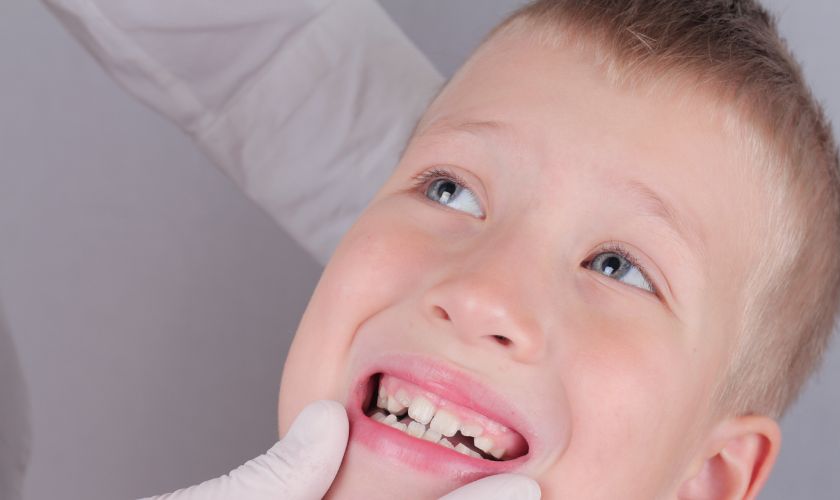
Braces are a common orthodontic treatment that can correct misaligned teeth and bite issues, improving both oral health and aesthetics. However, parents often wonder about the best age to begin orthodontic treatment for their children, including getting braces. In this guide, we’ll explore the factors to consider when determining the optimal age for braces and provide insights to help you make an informed decision.
Understanding Orthodontic Development
Before delving into the ideal age for braces in Dallas, it’s essential to understand the typical development of the teeth and jaws. Children’s jaws continue to grow and develop throughout childhood and adolescence, making this period an opportune time for orthodontic intervention.
Primary Dentition (Ages 6-12)
During the primary dentition stage, children typically have a mix of baby teeth and permanent teeth erupting. While most orthodontic issues are not addressed during this phase, early evaluation by an orthodontist can identify potential problems and allow for timely intervention when necessary.
Mixed Dentition (Ages 6-12)
The mixed dentition stage occurs when children have a combination of primary and permanent teeth. This period is often the optimal time to begin orthodontic treatment, as the orthodontist can guide the growth of the jaws and address issues such as crowding, spacing, and bite alignment.
Adolescent Dentition (Ages 12-18)
Adolescence is a common time for orthodontic treatment, as most permanent teeth have erupted, and the jaw growth is nearing completion. Braces or other orthodontic appliances can effectively correct misalignments and achieve a straighter smile during this phase.
Factors Influencing the Best Age for Braces
Several factors play a role in determining the best age for a child to get braces. Consider the following aspects when making this decision:
Orthodontic Evaluation
Early orthodontic evaluations, typically recommended around age 7, can identify potential issues and allow for timely intervention when necessary. An orthodontist can assess the child’s dental development and recommend the most appropriate treatment plan.
Type and Severity of Orthodontic Issues
The type and severity of orthodontic issues influence the timing of braces, including the availability of orthodontic services for braces in Dallas. While some problems may be addressed during the early mixed dentition stage, others may require waiting until more permanent teeth have erupted. Your orthodontist will recommend the most suitable timing based on your child’s specific needs.
Growth and Development
Children’s jaws undergo significant growth and development during childhood and adolescence. Orthodontic treatment aims to guide this growth and achieve optimal alignment of the teeth and jaws. Starting treatment at the right age ensures maximum effectiveness and stability of results.
Patient Cooperation
Successful orthodontic treatment requires patient cooperation and compliance with care instructions. Consider your child’s maturity level and ability to adhere to oral hygiene practices and wear orthodontic appliances. Starting treatment at an age when the child can actively participate in their care can lead to better outcomes.
Benefits of Early Orthodontic Intervention
While braces in Dallas are commonly associated with adolescence, there are several benefits to starting orthodontic treatment at a younger age:
Correcting Developmental Issues
Early intervention can address developmental issues such as jaw discrepancies, crossbites, and crowding before they worsen over time. By guiding jaw growth and tooth eruption, orthodontists can prevent more severe problems and simplify treatment in the future.
Enhancing Facial Aesthetics
Orthodontic treatment not only improves the alignment of the teeth but also enhances facial aesthetics. Early intervention can help achieve a balanced facial profile by addressing issues such as protruding or recessed jaws.
Preventing Dental Complications
Misaligned teeth and malocclusions can lead to various dental complications, including tooth decay, gum disease, and TMJ disorders. By correcting these issues early on, orthodontic treatment can promote better oral health and reduce the risk of future dental problems.
Boosting Self-Confidence
A straighter smile can boost a child’s self-confidence and self-esteem, leading to improved social interactions and overall well-being. Starting orthodontic treatment at a younger age allows children to enjoy the benefits of a beautiful smile throughout their formative years.
Determining the best age to get braces for kids involves considering various factors such as orthodontic evaluation, developmental stage, and patient cooperation. Early intervention during the mixed dentition stage can prevent future complications and achieve optimal results. Consult with an orthodontist to assess your child’s orthodontic needs and determine the most appropriate timing for treatment, including options for braces in Dallas. Investing in orthodontic care at the right age can pave the way for a lifetime of healthy smiles.