
Oral cancer is a serious and potentially life-threatening condition that affects millions of people worldwide. It can develop in any part of the mouth, including the lips, tongue, gums, floor of the mouth, and the roof of the mouth. The prognosis for oral cancer depends on various factors, including the stage at which it is diagnosed and the effectiveness of the treatment. In this article, we will delve into the question: can oral cancer be cured?
Understanding Oral Cancer
Before discussing treatment options, it’s essential to understand what oral cancer is and how it develops. Oral cancer occurs when cells in the mouth mutate and grow uncontrollably, forming malignant tumors. These tumors can spread to other parts of the body if not detected and treated early. Risk factors for oral cancer include tobacco use, excessive alcohol consumption, human papillomavirus (HPV) infection, and a weakened immune system.
Diagnosis
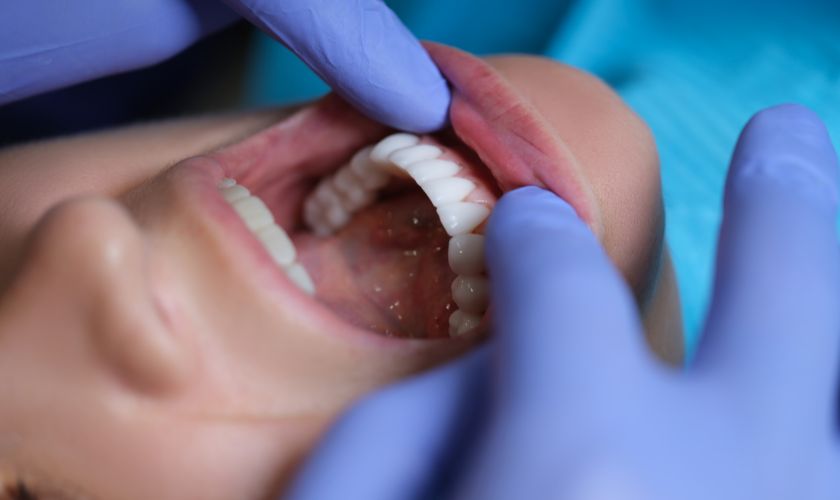
Early detection is crucial for the successful treatment of oral cancer. Dentists play a vital role in diagnosing oral cancer during routine dental check-ups. They examine the mouth for any signs of abnormalities, such as lumps, sores that don’t heal, or changes in the color or texture of the oral tissues. If a suspicious lesion is found, a biopsy may be performed to determine whether it is cancerous.
Treatment Options
The treatment for oral cancer depends on the stage of the disease and its location. Several treatment modalities may be used alone or in combination to effectively treat oral cancer:
Surgery: Surgery is often the primary treatment for oral cancer, especially in the early stages when the tumor is localized. During surgery, the tumor and surrounding tissue may be removed to ensure that all cancerous cells are eliminated.
Radiation Therapy: Radiation therapy uses high-energy beams to destroy cancer cells and shrink tumors. It may be used as the primary treatment or in combination with surgery to target any remaining cancer cells.
Chemotherapy: Chemotherapy involves the use of drugs to kill cancer cells or stop them from growing and dividing. It may be administered orally or intravenously and is often used in combination with surgery or radiation therapy for advanced or recurrent oral cancer.
Targeted Therapy: Targeted therapy is a newer approach to treating oral cancer that targets specific molecules involved in cancer growth and progression. It may be used in combination with other treatments to improve outcomes.
Immunotherapy: Immunotherapy harnesses the body’s immune system to fight cancer. It works by stimulating the immune system to recognize and attack cancer cells. Immunotherapy may be used alone or in combination with other treatments for advanced or recurrent oral cancer.
Prognosis
The prognosis for oral cancer varies depending on factors such as the stage of the disease, the location of the tumor, and the overall health of the patient. Early detection and prompt treatment significantly improve the chances of a successful outcome. However, if oral cancer is diagnosed at a later stage or has spread to other parts of the body, the prognosis may be less favorable.
The Role of Dentists in Oral Cancer Treatment
Dentists play a crucial role in the early detection and treatment of oral cancer. Regular dental check-ups allow dentists to examine the mouth for any signs of abnormalities and refer patients for further evaluation if necessary. Dentists in Dallas are well-equipped to diagnose and treat oral cancer, providing patients with the care and support they need to overcome this disease.
In conclusion, oral cancer is a serious condition that requires prompt diagnosis and treatment. While the prognosis for oral cancer depends on various factors, including the stage of the disease and the effectiveness of treatment, early detection significantly improves the chances of a successful outcome. Dentists in Dallas are instrumental in the early detection and treatment of oral cancer, helping patients to achieve the best possible outcome. By raising awareness of the importance of regular dental check-ups and early detection, we can improve the prognosis for oral cancer patients and ultimately save lives.