
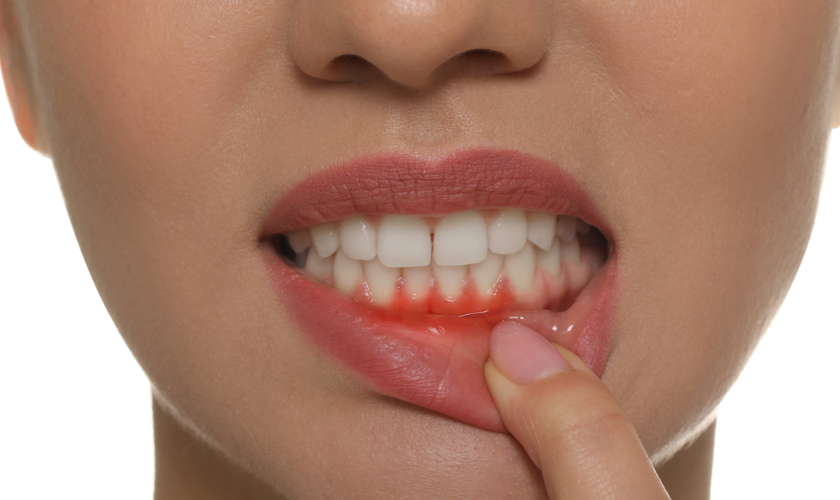
Bleeding gums are a significant and often uncomfortable oral health concern. If you notice blood when brushing or flossing, it may indicate an underlying problem beyond brushing too hard. Gum bleeding is a common issue that can interfere with eating, chewing, and maintaining a proper oral care routine.
If left untreated, this problem can lead to more serious dental health problems in the future. Studies show that gingival disease, which often starts with bleeding, affects a significant portion of the population. Many adults suffer from some form of oral disease, which can lead to tooth loss if not addressed properly.
While hard brushing is often blamed, it’s not the only cause. Understanding the other factors contributing to this issue is essential in taking the proper steps to prevent further complications. Let’s explore the causes of gingival tissue bleeding beyond brushing too hard.
Causes of Gingival Bleeding Beyond Hard Brushing
1. Gingivitis
Gingivitis is an early stage of oral tissue disease and is the most common cause of bleeding. It occurs when plaque, a sticky film of bacteria, builds up on the teeth and irritates the tissue line. The gums become inflamed and may bleed when you brush or floss. While this oral problem is reversible with proper oral care, it can progress to more severe issues if ignored.
2. Periodontitis
If left untreated, gingivitis can develop into periodontitis, a more severe stage. Periodontitis occurs when the inflammation spreads deeper into the oral tissue, destroying the supporting bone structure around the teeth. This condition can cause gingival tissue recession, tooth mobility, and frequent bleeding. If not treated effectively, periodontitis can result in tooth loss.
3. Medications and Health Conditions
Certain medications, such as blood thinners or medicines for high blood pressure, can increase the likelihood of gingival tissue bleeding. These medications can interfere with blood clotting, making your gums more prone to bleeding, even with minor irritation. Additionally, health conditions like diabetes can affect your immune system and make it more difficult for your mouth tissue to fight against infections, leading to bleeding and other complications.
4. Hormonal Changes
Hormonal changes, particularly during pregnancy, menstruation, or menopause, can have a significant effect. The increased levels of hormones such as estrogen and progesterone can make the gums more sensitive and prone to bleeding. Pregnant women, in particular, may experience a condition known as pregnancy gingivitis, where the oral tissue becomes swollen and bleed more easily.
5. Improper Flossing
Flossing is essential for maintaining oral hygiene, but improper technique can cause bleeding. Flossing too aggressively or using the wrong floss can cause your mouth tissues to bleed. It’s important to be gentle and use the proper flossing techniques to avoid damaging the gums and causing unnecessary bleeding.
6. Ill-Fitting Dentures
Poor-fitting dentures can cause oral tissue irritation and lead to bleeding. When dentures don’t fit properly, they can rub against the gums, causing trauma and inflammation. This can lead to bleeding and even sores or ulcers. Regular checkups with your dentist to ensure your dentures fit properly can help prevent these issues.
7. The Role of Nutrition and Lifestyle
Your diet plays a key role in the health of your oral cavity. A lack of essential nutrients, especially vitamin C, can contribute to gingival tissue bleeding. Poor nutrition can weaken the immune system, making it harder for your body to fight infections, including periodontal disease. Lifestyle factors such as smoking and excessive alcohol consumption can also impair oral health, leading to increased bleeding and other oral health problems.
8. Pregnancy
Pregnancy brings about significant hormonal changes that can make your gums more sensitive. Pregnancy gingivitis is an oral condition that causes swelling, redness, and bleeding of the gingival tissues. Pregnant women are advised to maintain good oral hygiene and visit our dentist in Dallas regularly to manage this condition and prevent more serious complications.
While hard brushing is a common cause of mouth tissue bleeding, it is just one of many factors. Conditions like gingivitis and periodontitis, health medications, hormonal changes, improper flossing, and even ill-fitting dentures can all contribute to this problem. Additionally, poor nutrition and lifestyle choices such as smoking can exacerbate bleeding. It’s important to address oral tissue bleeding early to prevent further damage to your oral health.
If you notice gingival bleeding, consulting a trusted dental professional is essential. At Jeffrey V. Jones, DDS & Associates, we specialize in gum disease treatment and can help you identify the root cause of your bleeding. Our team is dedicated to providing effective solutions for healthier gums and a brighter smile. Contact us today to schedule a consultation and take the first step toward better oral health.