
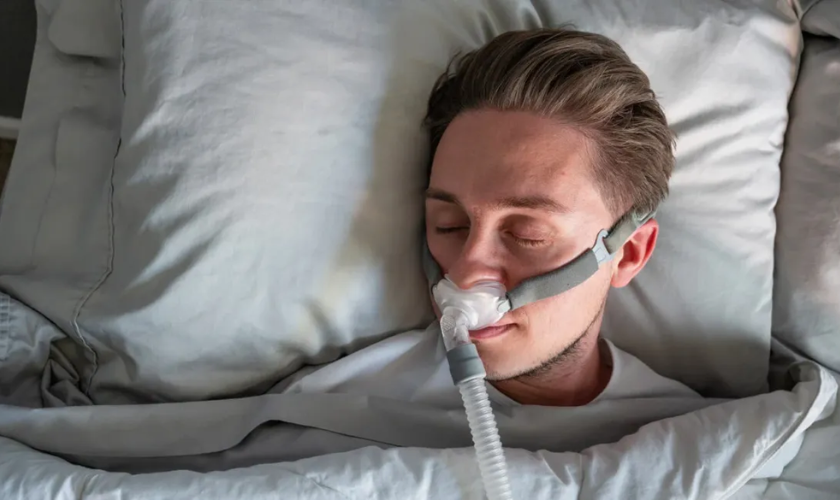
Sleep apnea is a common sleep disorder characterized by interruptions in breathing during sleep. This condition affects millions of people worldwide and can have serious consequences if left untreated. The most commonly prescribed treatment for sleep apnea is continuous positive airway pressure (CPAP) therapy. However, there are innovative therapies available that go beyond CPAP and provide alternative options for managing sleep apnea symptoms. In this blog post, we will explore some of these alternative treatment options.
Shaping the Future of Sleep Apnea Treatment
Oral appliance therapy is an effective alternative to CPAP for treating sleep apnea. It involves wearing a custom-fitted mouthguard-like device during sleep. This device helps to reposition the jaw and tongue, keeping the airway open and reducing the instances of airway obstruction. Oral appliances are comfortable, portable, and easy to use, making them a popular choice among patients who find CPAP therapy uncomfortable or inconvenient.
Harnessing the Power of Sleep Position
Positional therapy focuses on managing sleep apnea symptoms by controlling the sleeping position. Many individuals experience more pronounced apnea events when sleeping on their backs. Positional therapy involves using devices such as positional pillows or wearable sensors that provide feedback when the individual is in a supine position. By encouraging side sleeping, positional therapy can significantly reduce apnea events and improve sleep quality.
Stimulating the Airway Muscles
Hypoglossal nerve stimulation is an innovative treatment option for obstructive sleep apnea (OSA). It involves the use of a small device implanted under the skin near the collarbone. This device stimulates the hypoglossal nerve, which controls the movement of the tongue and other airway muscles. By activating these muscles during sleep, hypoglossal nerve stimulation helps to keep the airway open, reducing the occurrence of apnea events. This therapy has shown promising results for individuals who cannot tolerate CPAP or have moderate to severe OSA.
A Revolutionary Approach to Sleep Apnea
Inspire upper airway stimulation is another innovative therapy for sleep apnea. It involves the implantation of a small device that monitors breathing patterns and delivers mild electrical stimulation to the airway muscles during sleep. This stimulation helps to keep the airway open, allowing for uninterrupted breathing. Inspire therapy has been shown to significantly reduce apnea events and improve overall sleep quality.
Conclusion
While CPAP therapy remains the gold standard for treating sleep apnea, it is essential to be aware of alternative treatment options. Oral appliance therapy, positional therapy, hypoglossal nerve stimulation, and inspire upper airway stimulation are just a few of the innovative therapies available beyond CPAP. Consulting with a sleep specialist can help determine the most suitable treatment approach based on individual needs and preferences. Remember, effective management of sleep apnea can greatly enhance your quality of life and overall well-being.