
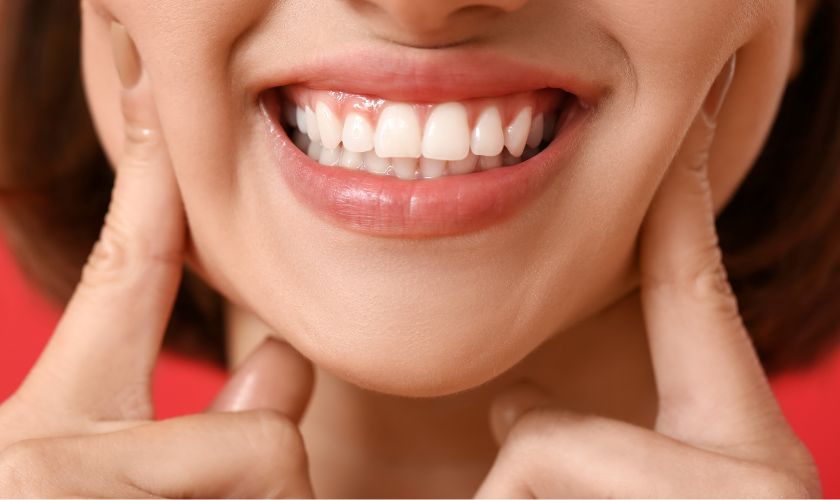
Healthy teeth and gums are essential for overall well-being, yet many people overlook the importance of proper oral care. Neglecting dental hygiene can lead to various issues, including cavities, gum disease, and even tooth loss. Fortunately, maintaining healthy teeth and gums is not rocket science. With some simple tips and consistent habits, you can keep your smile bright and your oral health in check. In this blog post, we’ll explore some practical tips for maintaining healthy teeth and gums.
1. Brush Twice Daily
Brushing your teeth is the cornerstone of good oral hygiene. Make it a habit to brush your teeth at least twice a day, preferably in the morning and before bed. Use a soft-bristled toothbrush and fluoride toothpaste. Brushing removes plaque, bacteria, and food particles that can lead to decay and gum disease.
2. Floss Regularly
While brushing is essential, it’s not enough to clean between your teeth and along the gum line. Flossing helps remove plaque and debris from areas that your toothbrush can’t reach. Aim to floss at least once a day, preferably before bedtime. Proper flossing technique involves gently guiding the floss between each tooth and curving it around the base of the tooth to clean beneath the gum line.
3. Use Mouthwash
Incorporating mouthwash into your oral hygiene routine can provide additional protection against bacteria and bad breath. Choose a mouthwash that contains fluoride and antibacterial properties. Rinse with mouthwash after brushing and flossing to reach areas of your mouth that may have been missed.
4. Maintain a Balanced Diet
What you eat can significantly impact your oral health. Avoid sugary and acidic foods and beverages, as they can contribute to tooth decay and erosion. Instead, opt for a balanced diet rich in fruits, vegetables, lean proteins, and whole grains. Calcium-rich foods like dairy products and leafy greens are particularly beneficial for maintaining strong teeth and bones.
5. Limit Snacking
Frequent snacking throughout the day exposes your teeth to acids and sugars, increasing the risk of decay. Try to limit snacking between meals, and if you do snack, choose tooth-friendly options like cheese, nuts, or crunchy fruits and vegetables. If you indulge in sugary or acidic snacks, rinse your mouth with water afterward to help neutralize acids and reduce the risk of cavities.
6. Stay Hydrated
Drinking water is not only essential for overall health but also for maintaining good oral hygiene. Water helps rinse away food particles and bacteria, preventing them from accumulating on your teeth and gums. Aim to drink plenty of water throughout the day, especially after meals and snacks.
7. Visit Your Dentist Regularly
Regular dental check-ups are crucial for preventing and detecting oral health issues early on. Schedule biannual visits to your dentist in Dallas for professional cleanings and exams. Your dentist in Dallas can identify any signs of decay, gum disease, or other problems and provide appropriate treatment before they worsen.
8. Quit Smoking
Smoking not only stains your teeth and causes bad breath but also significantly increases the risk of gum disease, tooth loss, and oral cancer. If you smoke or use other tobacco products, consider quitting for the sake of your oral and overall health. Seek support from healthcare professionals or cessation programs if needed.
9. Protect Your Teeth
If you participate in contact sports or grind your teeth at night, consider using a mouthguard to protect your teeth from injury and wear. Additionally, avoid using your teeth as tools to open packages or bottles, as this can cause chips, cracks, and other damage.
10. Practice Good Oral Habits
In addition to brushing, flossing, and regular dental visits, there are other habits you can adopt to promote healthy teeth and gums. Avoid clenching or grinding your teeth, as this can wear down enamel and lead to jaw pain. Also, be mindful of your oral hygiene habits, such as using proper brushing and flossing techniques and replacing your toothbrush every three to four months.
Maintaining healthy teeth and gums requires consistent effort and dedication, but the benefits are well worth it. By following these tips, you can protect your smile, prevent oral health problems, and enjoy a lifetime of good oral hygiene. Remember, your oral health is an integral part of your overall well-being, so prioritize it accordingly. If you have any concerns or questions about your oral health, don’t hesitate to consult with your dentist.