

Those little bumps on your tongue, often called papillae, are actually normal. Tongue bumps are common, and possible causes include injuries, allergies, and infections. Tongue bumps are usually harmless, but some indicate an underlying condition that needs medical treatment. They house your taste buds. However, when they become inflamed or irritated, they can swell and become more noticeable. Tongue bumps can appear for all kinds of reasons. Accidentally biting your tongue can result in bumps, or they could be due to something more serious. Several things can trigger this.
- Transient Lingual Papillitis (Lie Bumps): This is the most common culprit. These little red or white bumps can appear suddenly and are often painful. Stress, acidic foods, or minor injuries can trigger them. They typically disappear on their own within a few days.
- Oral Thrush: A yeast infection in your mouth can cause white or cream-colored bumps on your tongue and cheeks. This often occurs when your immune system is weakened or after taking antibiotics.
- Canker Sores: These small, painful ulcers can appear on the tongue and inside the mouth. They aren’t contagious and usually heal within a week or two.
- Food Allergies: Certain foods can trigger an allergic reaction, leading to tongue inflammation and bumps. Pay attention to what you eat and see if you notice any patterns.
- Trauma: Biting your tongue, burning it with hot food, or even rough brushing can irritate the papillae, causing them to swell.
- Smoking and Tobacco Use: Irritants in tobacco products can cause chronic inflammation and bumps on the tongue.
- Viral Infections: Some viral infections, like hand, foot, and mouth disease, can cause painful blisters and bumps in the mouth and on the tongue.
If you’re concerned about a bump on your tongue that isn’t going away, book an appointment with your dentist. Jeffrey V. Jones, DDS is a reputed dentist in Dallas who can help you here.
Dental Hygiene and Tongue Health
Good oral hygiene is crucial for keeping those bumps at bay. Here’s a quick rundown:
- Brushing and Flossing: Brush your teeth twice a day and floss daily to remove food particles and bacteria that can irritate your tongue. Gently brush your tongue as well.
- Mouthwash: Use an antiseptic mouthwash to kill bacteria and reduce inflammation.
- Hydration: Drink plenty of water to keep your mouth moist and help flush away irritants.
- Dietary Adjustments: Avoid acidic, spicy, and very hot foods that can irritate your tongue. If you suspect a food allergy, keep a food diary.
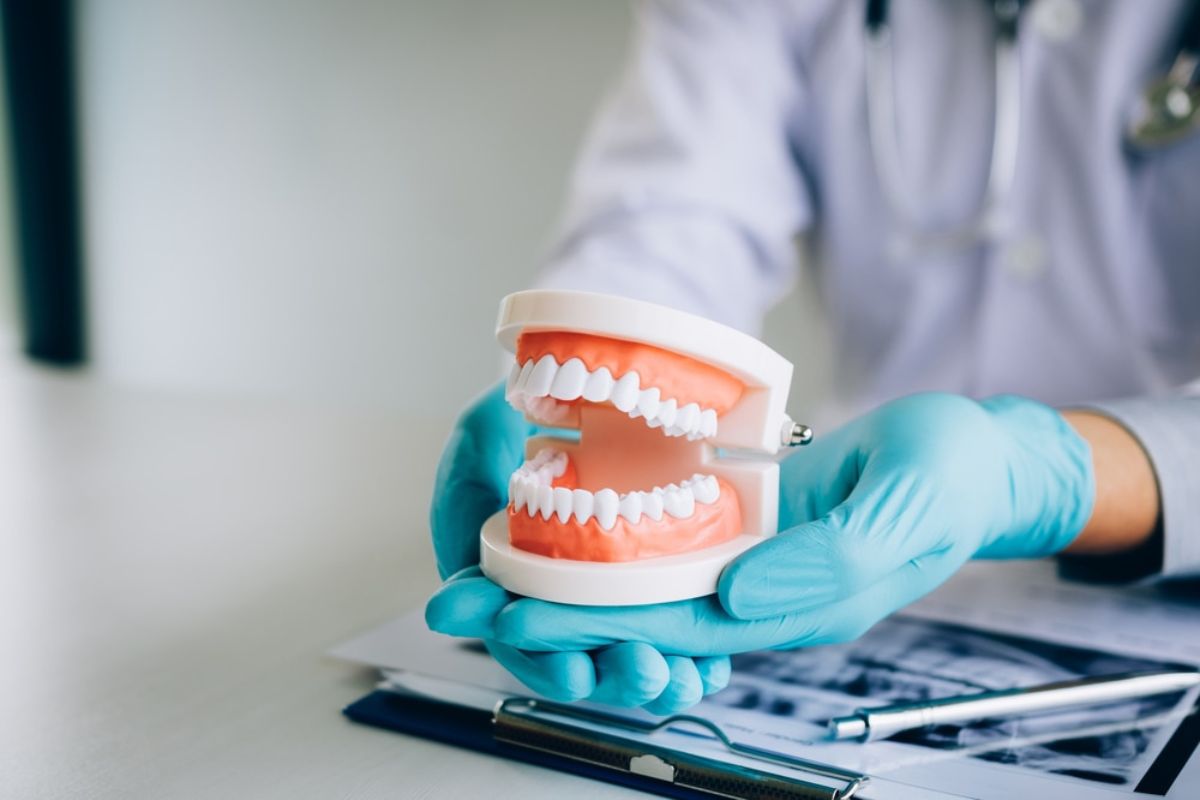
When to See A Dentist
Most tongue bumps are harmless and don’t require intervention from a dental expert unless they’re extremely painful or accompanied by a fever. However, if bumps last longer than a week, continue to grow, reappear frequently, or cause breathing difficulties, it’s crucial to seek medical attention. While most tongue bumps are harmless, you should consult a dentist if:
- The bumps persist for more than two weeks.
- You experience severe pain or difficulty swallowing.
- The bumps are accompanied by fever, swollen lymph nodes, or other symptoms.
- The bumps are white or red patches that don’t go away.
- You notice any unusual growth.
A reputed dentist in Dallas , like Jeffrey V. Jones, can properly diagnose the cause of your tongue bumps and recommend appropriate treatment. They can also rule out more serious conditions. Early detection and treatment can help prevent complications.
Simple Home Remedies
For minor irritation, you can try these home remedies:
- Gargle with warm salt water.
- Apply a cold compress to reduce swelling.
- Use a mild antiseptic mouthwash.
- Avoid triggering foods.
Don’t let those little bumps disrupt your day. If you’re concerned about your tongue health, schedule an appointment with your dentist in Dallas today! Let’s get your smile back to its smooth, healthy self.
Ready to get those bumps checked out? Schedule your appointment with a friendly dentist in Dallas today!
Frequently Asked Questions (FAQs)
Q: Are tongue bumps contagious?
A: Most common tongue bumps, like transient lingual papillitis (lie bumps), are not contagious. However, some causes, such as oral thrush (a yeast infection) or certain viral infections, can be contagious.
Q: How long do tongue bumps usually last?
A: Lie bumps typically disappear within a few days to a week. Canker sores usually heal within one to two weeks. If bumps persist for longer than two weeks, consult a dentist.
Q: Can stress cause tongue bumps?
A: Yes, stress can be a contributing factor to lie bumps and canker sores. Stress can weaken your immune system, making you more susceptible to oral health issues.
Q: What foods should I avoid if I have tongue bumps?
A: Avoid acidic, spicy, and very hot foods that can irritate your tongue. Also, if you suspect a food allergy, keep a food diary to identify potential triggers.
Q: Is it normal to have small, white bumps on my tongue?
A: Yes, the papillae on your tongue are naturally small, white bumps. However, if they become inflamed or if you notice unusual white patches, it could indicate oral thrush or another condition.
Q: Can smoking cause tongue bumps?
A: Yes, smoking and tobacco use can irritate the tongue and cause chronic inflammation, leading to bumps and other oral health problems.
Q: What home remedies can help with tongue bumps?
A: Gargling with warm salt water, applying a cold compress, and using a mild antiseptic mouthwash can help reduce inflammation and discomfort.
Q: When should I see a dentist in Dallas for tongue bumps?
A: You should see a dentist if the bumps persist for more than two weeks, cause severe pain, are accompanied by fever or other symptoms, or if you notice any unusual growth.
Q: Can brushing my tongue too hard cause bumps?
A: Yes, brushing your tongue too vigorously can irritate the papillae and cause them to swell. Gentle brushing is recommended.
Q: Can medications cause tongue bumps?
A: Certain medications, especially antibiotics, can disrupt the balance of bacteria in your mouth and lead to oral thrush, which can cause white bumps on the tongue. If you suspect your medication is causing issues, consult a dental expert.